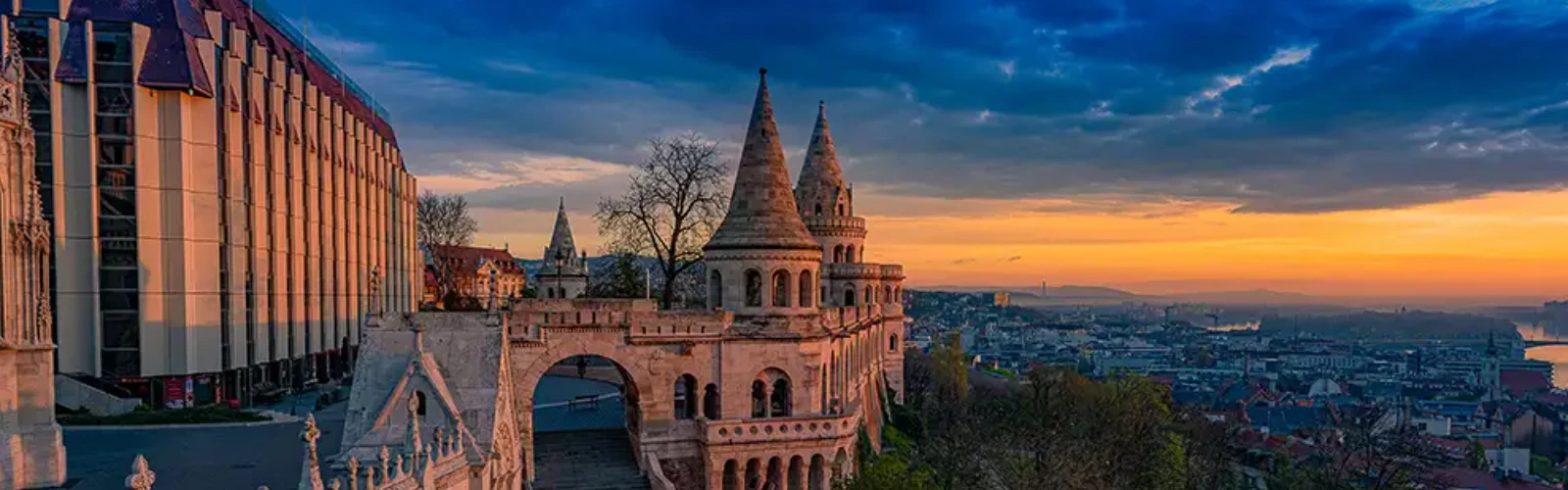
European Capitals Compared: Berlin vs. Budapest

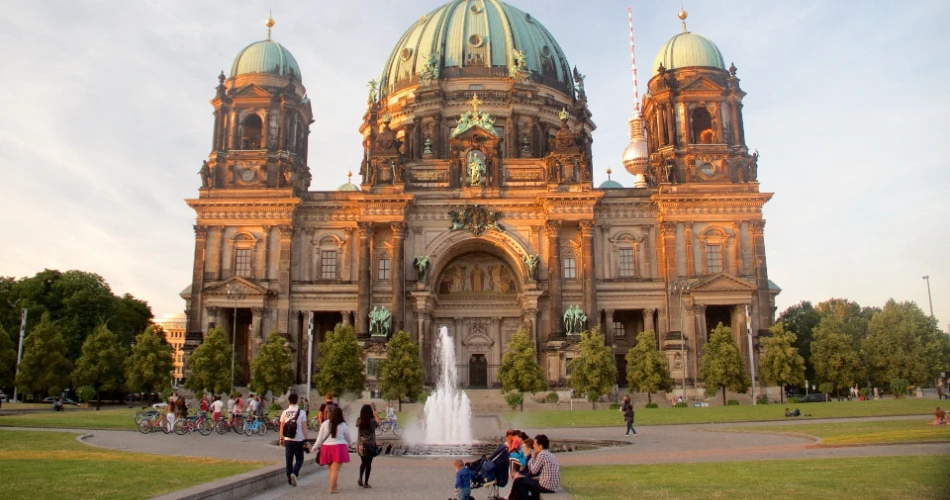
There are many iconic capitals around the European continent, but none of them attract young travelers like Berlin and Budapest. Both cities offer not only affordable prices but are crammed with history and have nightlife that lasts until the early hours. However, while there are some similarities, the experience is entirely different. One city is elegant, romantic, and centered around thermal baths and river views. The other is edgy, creative, and influenced by the history of the Cold War and underground culture.
So, if you want to travel to another country in Europe, which place will you go? Do you want to drink cocktails on the rooftop of a building by the Danube or enjoy techno music within old power stations? Is it grand architecture or raw urban creativity you seek? It is entirely up to the traveler’s taste.
Tourist Experiences: Berlin or Budapest?
Which is better, Berlin or Budapest? This debate is a popular one, as both cities draw in the same kinds of tourists. These two capitals are often included in Europe backpackers' routes, as well as in the routes of digital nomads, couples, and those who love history. But the atmosphere of each city is quite different.
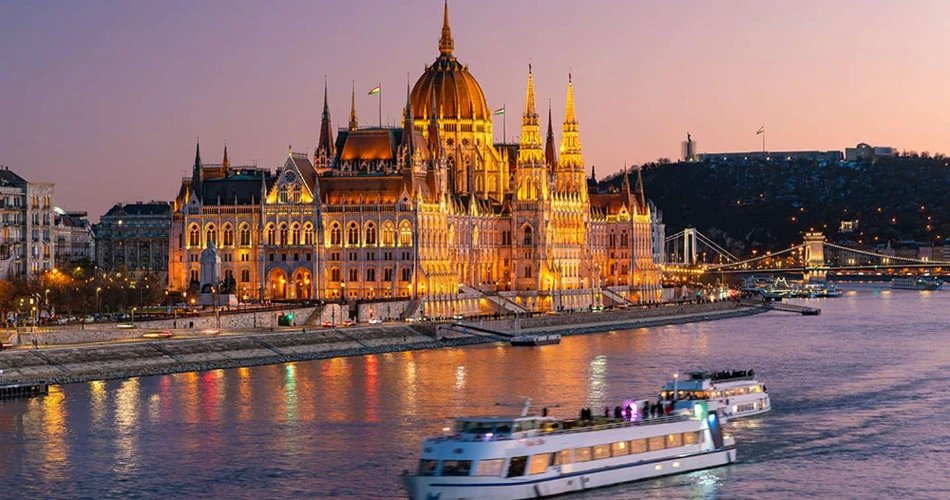
The first glimpse of Budapest is breathtaking. The city, split by the Danube River into Buda and Pest, is home to a multitude of Neo-Gothic structures, historical bridges, wide boulevards, and vistas. Budapest has a cinematic feel to it, particularly in the evenings when the Hungarian Parliament Building perches along the banks of the Danube. The city has Austro-Hungarian elegance, Ottoman bath culture, and vibrant nightlife areas. People visit here for thermal baths, river cruises, ruin bars, and cheap luxury.
In the meantime, Berlin is designed to be unintentionally rough. It's innovative, nonconforming, and ever-changing. Berlin’s beauty is grand only in terms of atmosphere and energy. The city has become well-known for its alternative culture, street art, electronic music scene, and significant historical sites. Visitors visit Berlin's neighborhoods and not just the postcard sights. Standing by the remnants of the Berlin Wall one moment and drinking a cup of coffee in a converted industrial warehouse with artists and musicians the next.
So, which city seems more exciting? It depends on what you are more inspired by: beauty or edge.
Which City Is Cheaper, Budapest or Berlin?
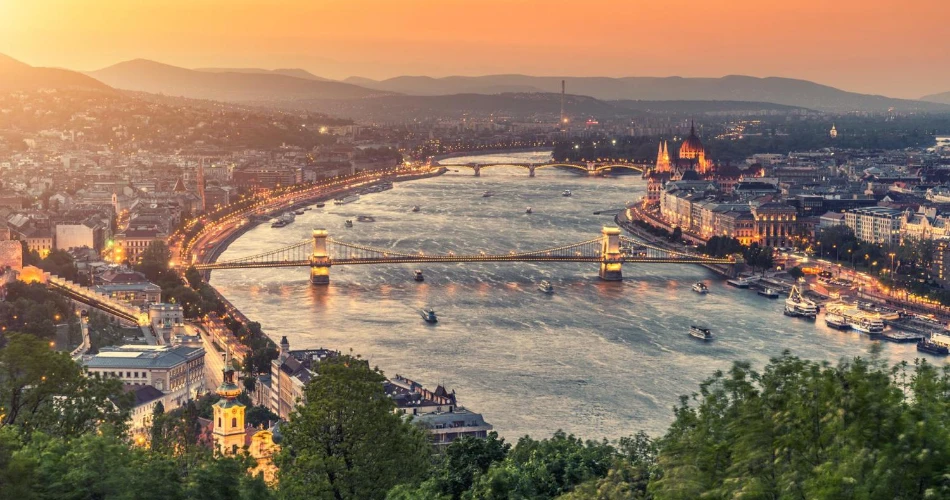
Travelers tend to compare these capitals in part because they're inexpensive. Is Budapest cheaper than Berlin? Yes, in most categories. Budapest is typically regarded as one of the most affordable capitals in Europe. It is also less expensive overall than many other European cities, from accommodation to public transport, food and drinks, and attractions. There are plenty of ways to see the city of Budapest on a budget of $80 to $120 per day. Hostel rooms, public transport services, and traditional meals in Hungary are reasonably priced. Even the thermal baths, one of the most popular places to visit, are available at reasonable prices when compared with other countries in Europe.
Budapest's beer prices are also quite low, particularly at the city's famed ruin bars. Street foods such as lángos, chimney cake, or goulash soups are filling meals that you don't need to spend a ton of money on. River cruises and scenic cafés are surprisingly cheap for this gorgeous place.
Overall, Berlin is more expensive than Budapest, but not as expensive as Paris, Amsterdam, or London. People generally expect to spend $110 to $150 a day on a comfortable, mid-range trip. Accommodation rents have been on a rising trend in recent years, particularly in fashionable areas like Kreuzberg, Mitte, and Prenzlauer Berg. Other fees are also higher, including those at restaurants and nightlife establishments such as cocktail bars and clubs.
But Berlin compensates for this with some hugely cost-free attractions. There are numerous historic sites, memorials, galleries, and public areas available for little or no cost. Those who want to visit museums can also buy passes that make museum visits significantly cheaper.
Budapest is the better value overall, particularly for its nightlife, transportation, and hotels, for budget-conscious travelers.
Which Is More Interesting?
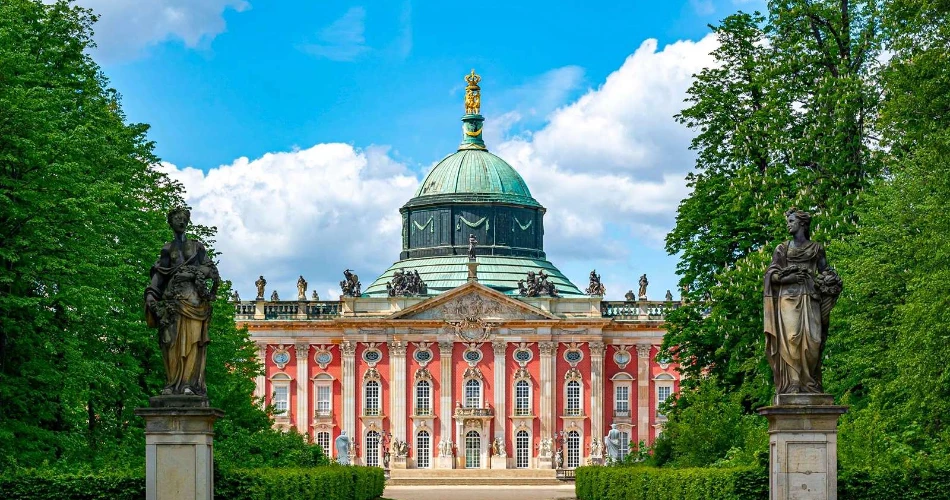
There's a clear distinction in the experiences these capitals provide, with one offering more than the other. Budapest is known for its thermal baths, and Berlin for its historical memorials and Cold War sites.
Budapest is located on the site of over 100 natural hot springs, thus forming one of the most peculiar spa cultures in Europe. The city's thermal baths are not only tourist attractions but also a part of local lifestyles.
Address: Széchenyi Thermal Bath:
Állatkerti krt. 9–11, 1146 Budapest, Hungary
Perhaps the most famous bathhouse in Europe is the Széchenyi Thermal Bath, with its large pools in the open air surrounded by yellow Neo-Baroque buildings. Visitors soak in the hot mineral water, and chess is played within the pools.
Address: Rudas Baths:
Döbrentei tér 9, 1013 Budapest, Hungary
Another popular choice is the historic Ottoman-era bathhouse, Rudas Baths, with rooftop views of the Danube River.
Budapest is unique among most other European capitals due to its thermal baths. It's an unmissable feeling to enjoy warm outdoor pools during winter while it snows around you.
Formerly, Berlin's landmarks were closely tied to 20th-century history.
Address: Berlin Wall Memorial:
Bernauer Str. 111, 13355 Berlin, Germany
The Berlin Wall Memorial is a site that memorializes and maintains parts of the original wall, watchtowers, and escape routes from the Cold War.
Address: Memorial to the Murdered Jews of Europe:
Cora-Berliner-Str. 1, 10117 Berlin, Germany
The Memorial to the Murdered Jews of Europe is an amazing experience because of the concrete blocks that represent the victims of the Holocaust.
Address: East Side Gallery:
Mühlenstraße 3–100, 10243 Berlin, Germany
Visitors also see the East Side Gallery, which is the surviving part of the Berlin Wall decorated with murals.
History in Berlin is present and inevitable. The city openly deals with its history through memorials, museums, and preserved sites, providing one of the most historically rich urban experiences in Europe.
Nightlife: Ruin Bars with Techno Clubs
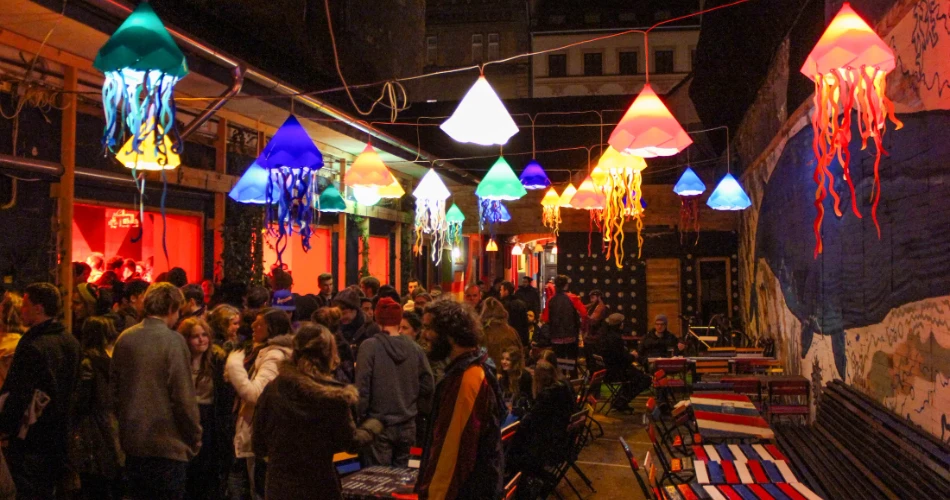
The two capitals are both world-famous for their nightlife, but the two party scenes are poles apart.
Address: Szimpla Kert:
Kazinczy u. 14, 1075 Budapest, Hungary
Budapest is internationally famous for its ruin bars, which are spaces for creative nightlife in abandoned buildings and courtyards. The furniture, graffiti-covered walls, fairy lights, vintage decorations, and live music mix to create a chaotic yet welcoming atmosphere. Today, Szimpla Kert is the city's most iconic ruin bar and one of the top tourist attractions for nightlife.
Budapest's nightlife is social, easy, and inexpensive. You can access a variety of venues, ranging from bars and rooftop lounges to riverside spots, with ease without breaking the bank. Many bars stay busy until early morning, especially in the Jewish Quarter.
Address: Berghain:
Am Wriezener Bahnhof, 10243 Berlin, Germany
Here in Berlin, however, there is something entirely different. Berlin’s nightlife is all about electronic music and iconic underground clubs. The city is also known for its techno scene, considered one of the best in the world, and is a popular destination for DJs and music lovers from around the globe. Berghain is known for its no-fuss attitude and late-night parties that go on until well past Monday morning.
Music culture is a core aspect of Berlin club life, not tourism. The dress code is conservative, the likelihood of having photos taken is low, and it can be a little intimidating for first-time visitors. But if you are a fan of electronic music, Berlin has no equal when it comes to clubbing.
Which nightlife scene is better? Budapest is the most accessible city with the highest level of fun social energy, while Berlin is the place for electronic music and serious clubbing.
Food Scene: Traditional Comfort vs. Global Diversity

People who enjoy eating will find lots of variations between these cities. Budapest is a place where traditional Hungarian cuisine, with paprika, meats, soups, and comfort foods, is emphasized.
Address: Central Market Hall:
Vámház krt. 1–3, 1093 Budapest, Hungary
Throughout the city, popular dishes include goulash, chicken paprikash, and chimney cakes. Central Market Hall offers travellers the chance to taste local specialties at reasonable prices.
Hungarian food definitely tastes full, substantial, and satisfying, particularly in winter. Old-fashioned coffeehouses that offer cakes and coffee also bring a touch of elegance to the city's food scene.
Berlin’s culinary scene is much more international, shaped by decades of immigration and multicultural influence. Turkish döner kebabs, Vietnamese pho, Korean barbecue, Middle Eastern street food, and vegan cafés can be found in nearly every district. The food diversity is particularly well known in Kreuzberg and Neukölln.
Overall, Berlin's street food scene is vibrant and ever-changing, making it an exciting destination for food enthusiasts seeking international flavors.
Berlin vs Budapest: Which City Is Better?
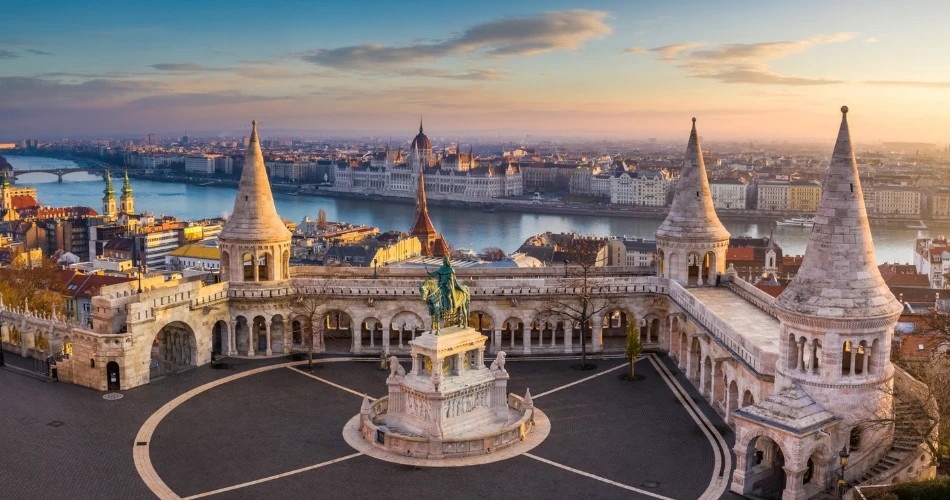
There is no one-size-fits-all solution to the question of which is better, Berlin or Budapest, as they both have their strengths.
If you're into beautiful architecture, thermal baths, value for money, romance, and social nightlife, then look to Budapest. Budapest is perfect for couples, travelers new to Europe, and anyone who wants to experience traditional European beauty without the crowds or high costs.
If you love history, underground culture, street art, electronic music, and creative city events, you should visit Berlin. Berlin is a city open to slow travel and appreciation of little-known cultural venues. Budapest can be experienced more easily in three or four days. Berlin is bigger, more spread out, and has to be experienced over a longer period of time to get its full benefit.
Best Time to Visit
Both are good for spring and early fall. The weather in May, June, September, and early October is good, tourist crowds are not too heavy, and outdoor scenes are lively.
There are festivals, parties, and crowded tourist attractions during summer in both cities. Every August, Budapest becomes one of Europe's largest music hubs during the Sziget Festival, while Berlin hosts many outdoor concerts, art exhibitions, and beer garden celebrations.
The cities are vastly different during winter. Budapest is particularly enchanting, as thermal baths remain open all year round. Snow on buildings combined with steam rising from outdoor swimming pools offers one of the most extraordinary winter experiences in the city.
Berlin winters are atmospheric but colder and less geared toward outdoor adventures. Christmas markets add charm, but the city's urban culture is strongest in summer.
In essence, it's a comparison between two totally different travel personalities. Budapest is a town of love, hot springs, rivers, and value. Berlin offers culture, parties, history, and creative energy.
Budapest can be unrivaled in elegance, budget-friendliness, and iconic European landscapes for travelers looking for an unmissable moment. If you are looking for alternative culture, world-class nightlife, and powerful historical experiences, Berlin is in a league of its own.
The good news? You don't have to make a choice. These cities are a perfect match and provide two very distinct sides of modern Europe, all within a short flight of one another.
Book your stay at Hotel Gat Point Charlie and enjoy stylish comfort near Checkpoint Charlie, Brandenburg Gate, and Berlin’s top attractions.

About Author
Leo is a master at storytelling. He produces unique travel content in a way that gives readers a vibe of actually being there.